The role of magnesium in supporting healthy, restful sleep
The role of magnesium in supporting healthy, restful sleep
Everyone needs sleep in order to function and stay well. The number of hours you need to sleep to function optimally varies from person to person. But experts suggest a minimum of 7 hours a night is the magic number for most folks.
Although we all know how important sleep is to our well-being, sometimes achieving that sweet spot of restful slumber can feel impossible. Magnesium plays a role in nervous system and muscle function, both of which are connected to relaxation. As part of a healthy evening routine, magnesium may support the body’s natural wind-down process and help create the conditions your body needs for healthy, restful sleep. Understanding magnesium’s role in supporting rest and rejuvenation can be a real sleep-changer. Let’s dive in!
Your circadian rhythm
Your circadian rhythm The sleep-wake cycle is based on the circadian rhythm. Over a 24-hour cycle, you’ll notice certain patterns in your mental, physical, and behavioural processes. Much like the sun and moon, you run on a cycle too: one that is defined by waking hours and sleeping hours.
Your internal body clock regulates bodily processes like recovery, rest, and digestion. The circadian rhythm is governed by the pineal gland (which releases melatonin, the sleep hormone) and the endocrine system. But many modern factors can harm the circadian rhythm and throw off your sleep-wake cycle. Sleep deprivation affects our mood, slows our reflexes, undermines decision-making abilities and can often leave us feeling exhausted and foggy throughout the day.
Factors that harm healthy sleep
Common activities like too much screen time in the evening can throw off the circadian rhythm. Other culprits include not seeing enough natural light during the day, caffeine, stress, and alcohol. Additionally, factors like jet lag from travel or irregular shifts in work schedules can further disrupt your circadian rhythm. Those who work late nights have to sleep during the daytime. This confuses your body’s internal clock and lowers melatonin production.
How can magnesium help with better sleep?
Magnesium plays a key role in supporting deep, restorative sleep. Melatonin is a hormone that helps control our sleep and wake cycles. When magnesium levels are low, melatonin levels may be impacted, potentially leading to sleep disturbances.
Similarly, the more stress you experience, the lower your magnesium levels, resulting in a higher possibility of sleeplessness. This is because stress has been shown to significantly increase our urinary excretion of magnesium. Who knew that the stress we carry by day stows away, disrupting our night’s rest? But the role of magnesium doesn’t stop there. Muscle tension due to lack of magnesium will also prevent good sleep. Magnesium’s calming effect on the nervous system helps alleviate muscle tension, promoting relaxation and paving the way for more restful sleep.
Making magnesium a sleep-support habit
Getting good sleep is more accessible than we might imagine. And creating the perfect conditions for healthy sleep, can be supported by incorporating natural solutions like magnesium. Many people turn to magnesium supplementation to support better sleep habits or complement a calmer evening routine. Since magnesium is involved in many processes that support nervous system health, it may be a beneficial addition to your daily wind-down routine. Make sure to speak with a trusted healthcare practitioner before starting any new supplements to ensure the dose and nutrients are right for you.
Choose the right magnesium support for your routine
Magnesium without melatonin
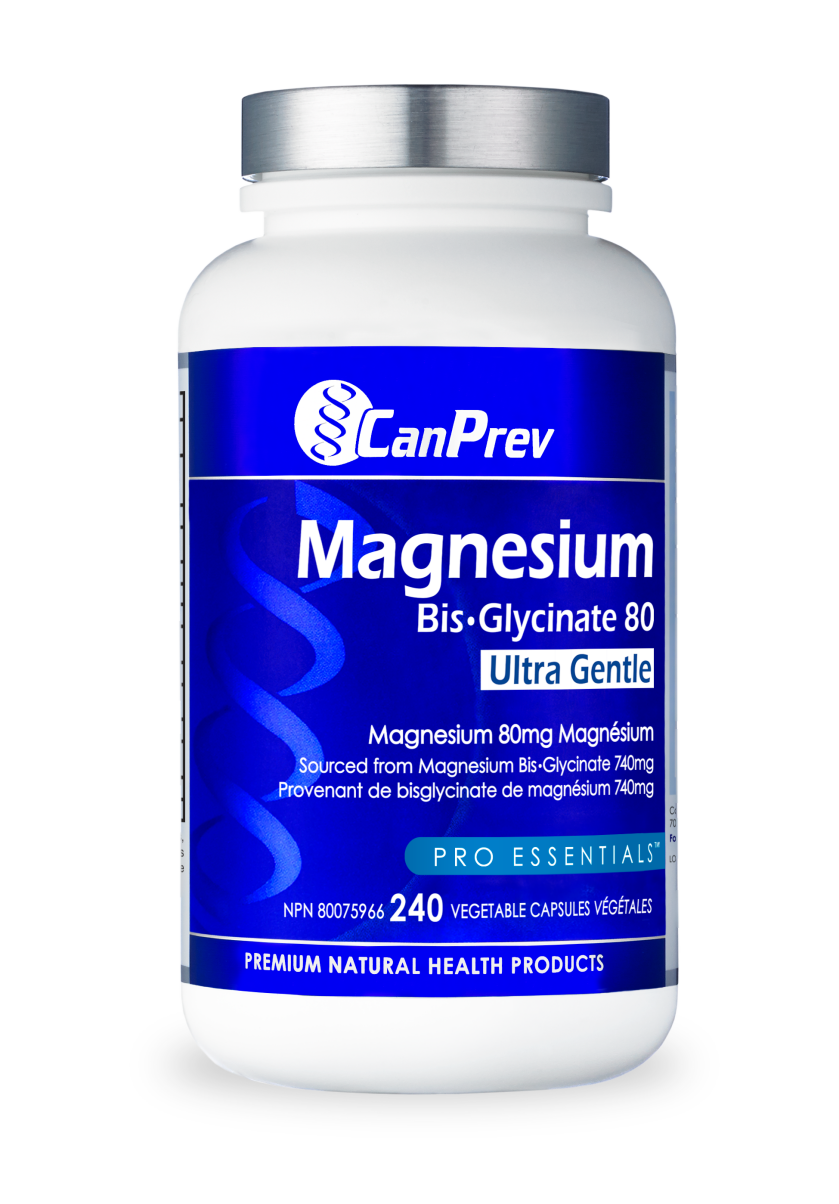
If you’re looking for an option that’s highly absorbable and gentle on digestion, CanPrev’s Magnesium Bis-Glycinate 200 Gentle is a great starting point. It offers 200 mg of pure elemental magnesium per capsule.
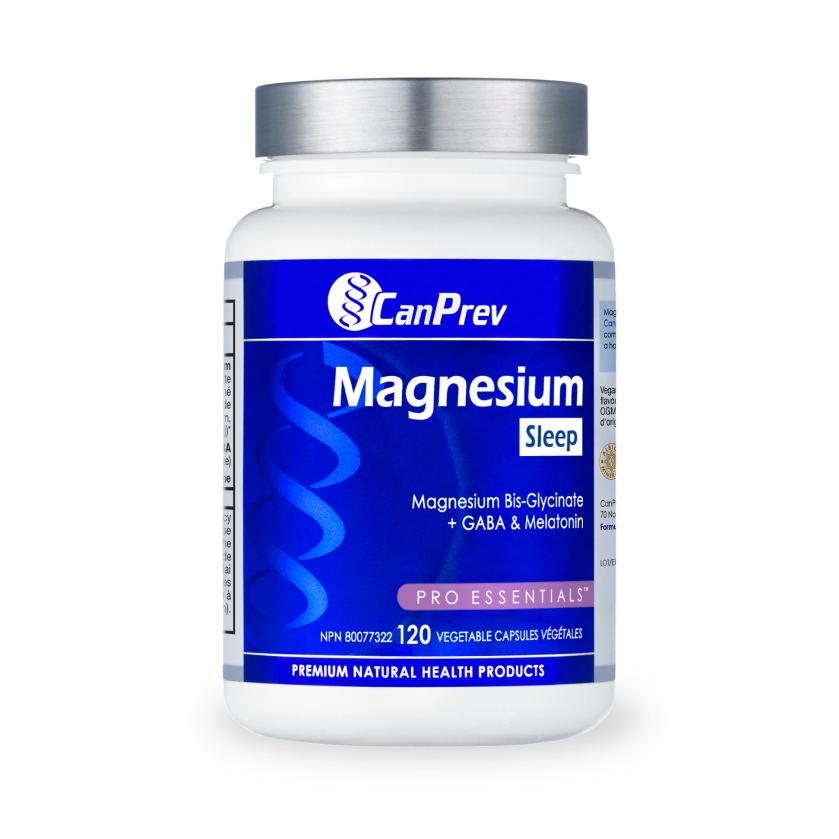
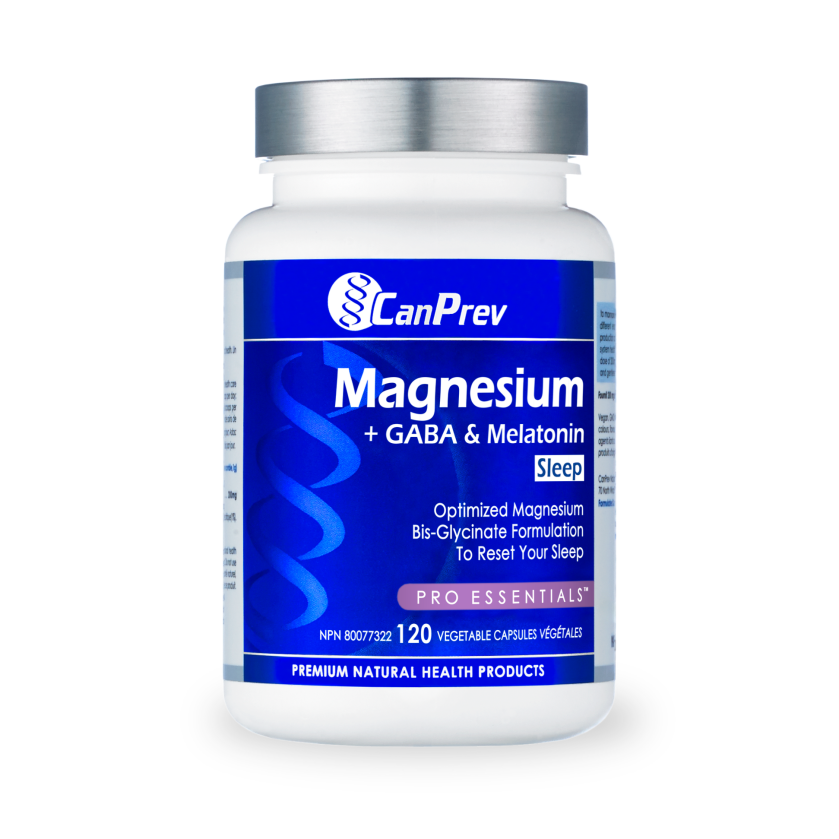
Does your body’s sleep-wake cycle need a reset? CanPrev’s Magnesium Sleep + GABA & Melatonin combines our Extra Gentle magnesium with melatonin and GABA, to help promote relaxation, reset circadian rhythm, and reduce the time it takes to fall asleep.
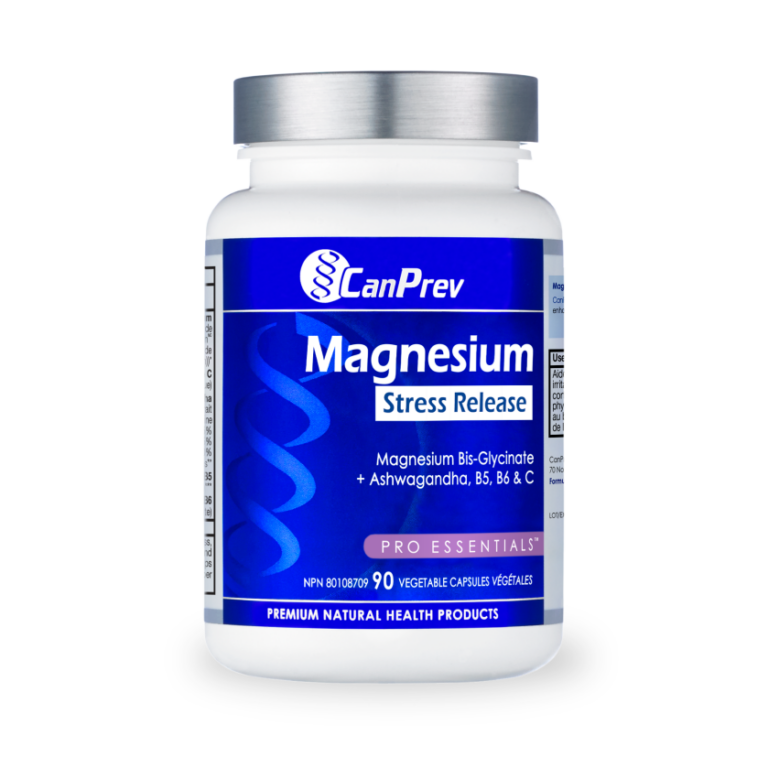
Stress can sometimes disrupt your sleeping patterns or keep you awake at night. CanPrev’s Magnesium Stress Release is designed to help reduce symptoms of stress, like fatigue, sleeplessness, irritability, and inability to concentrate.
Should you choose magnesium with or without melatonin?
Whether you should choose magnesium with or without melatonin depends on your personal health goals and preferences. Melatonin is our body’s primary sleep hormone, which helps regulate our sleep-wake cycles and is naturally produced to signal that it’s time for bed. Magnesium is a mineral that plays a role in nervous system health, relaxation and muscle function, among other roles. While some people prefer magnesium-only support, others tend to lean towards a combination of magnesium and melatonin to support their evening routines.
Why magnesium form matters
Different forms of magnesium can help target various health goals. Magnesium bis-glycinate is known for its high absorbability and gentleness on the bowels. This can make it a reliable option for daily use, especially when it comes to incorporating it into your evening wind-down routine.
A: Magnesium supports nervous system health and muscle function, both of which are connected to relaxation. As part of a healthy evening routine, it may support the body’s natural wind-down process.
Q: How does magnesium help the body relax before sleep?
A: Magnesium is involved in nerve signalling and muscle function. These roles may help explain why magnesium is often discussed in relation to relaxation and evening routines.
Q: Should I choose magnesium with or without melatonin?
A: It depends on the support you want. A magnesium-only product may fit foundational support, while a sleep-specific formula with melatonin may suit targeted nighttime support. Be sure to follow product directions and speak with a healthcare practitioner before trying any new formulas.
Q: What form of magnesium is commonly used for sleep support?
A: Magnesium bis-glycinate is often selected because it is gentle and well absorbed. It may be a fit for those looking for foundational magnesium support without melatonin.
Q: Can magnesium help with muscle relaxation at night?
A: Magnesium supports muscle function. This may be relevant when physical tension or tightness affects how easily someone can relax before bed.
Q: Can magnesium help with muscle relaxation at night?
A: Visit the CanPrev Magnesium Hub to explore CanPrev’s magnesium options and learn more about magnesium forms, benefits, and product pathways.